
What to Expect at Your First Contact Lens Fitting
Stepping into the world of vision correction offers an incredible sense of freedom and flexibility for your daily routines. For many individuals, making the transition from traditional eyeglasses to contact lenses is a milestone that completely changes how they experience the world. If you have relied on frames for years, the idea of placing a small lens directly onto your eye can feel slightly intimidating at first. Understanding the step-by-step process of your initial appointment can strip away the mystery and help you feel entirely at ease. This special visit goes beyond a standard vision test, focusing heavily on comfort, tracking physical measurements, and matching your unique lifestyle needs with the right material. By approaching the session with clear expectations, you set yourself up for long-term success and optimal optical health. Ultimately, this journey is a collaborative effort designed to prioritize your comfort and visual clarity.
Understanding the Lifestyle Consultation and Vision Assessment
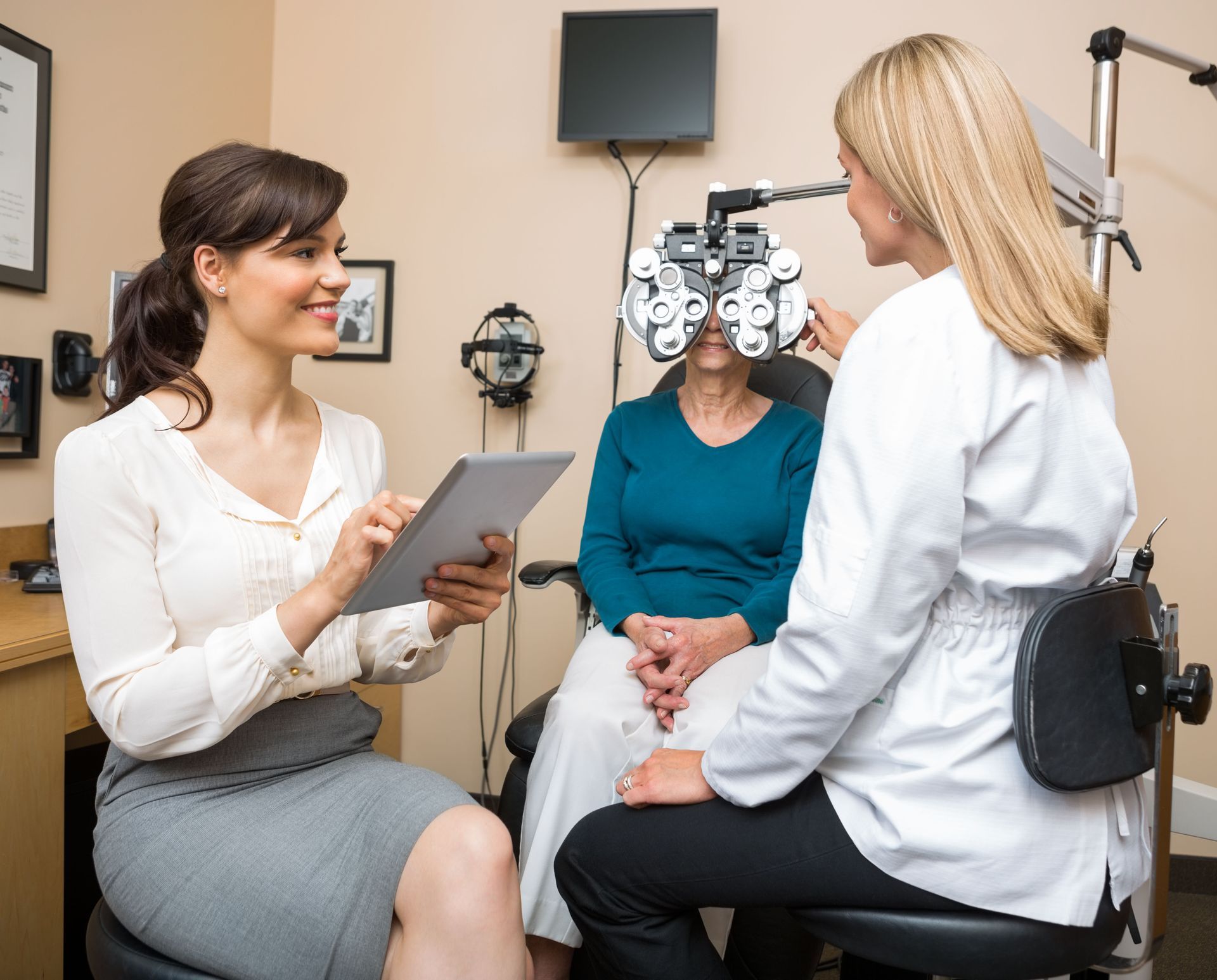
The very first phase of your appointment involves a detailed conversation about your daily activities, hobbies, and work environment. Different professions and recreational habits require specific types of vision correction to perform optimally. For instance, an athlete who spends hours outdoors in dusty environments will have different optical needs than someone who sits in front of a computer screen all day. During this phase, certified eye doctors evaluate your medical history to ensure your eyes can safely tolerate contact lenses. Sharing details about your sleep schedule, screen habits, and any history of seasonal allergies helps narrow down the material options. This personalized assessment ensures that the final selection seamlessly integrates into your existing daily routine. It forms the essential foundation for a highly customized and successful optical experience.
Mapping the Unique Curvature of Your Cornea
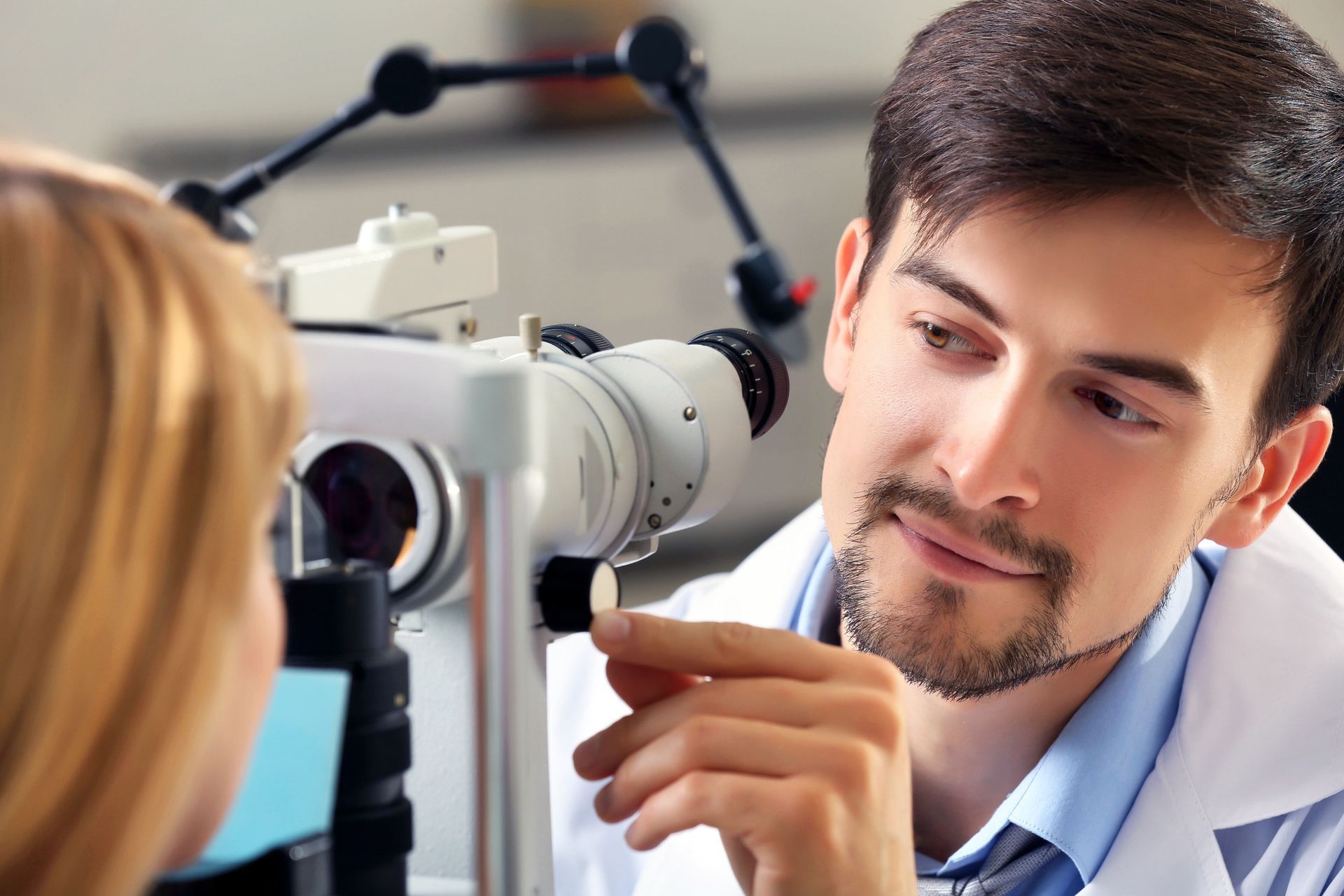
Every single human eye possesses a distinct shape, meaning that a one-size-fits-all approach simply does not work for contact lenses. Specialized eye doctors utilize advanced diagnostic technology to measure the exact curvature of your corneal surface. This process is completely painless and involves looking into a specialized light instrument that maps the three-dimensional topology of your eye. Obtaining these exact measurements prevents the lens from sliding around too much or clinging too tightly to the surface. An ill-fitting lens can cause corneal scratching, irritation, and blurred vision, which is why precise mapping is so critical. These measurements act as a blueprint that guides the selection of the base curve and diameter of your trial lenses. Ensuring an exact physical match is paramount for long-term wearing comfort.
Evaluating Tear Film Stability for Optimal Comfort
A healthy, consistent layer of moisture on the surface of your eye is absolutely vital for comfortable lens wear. During the fitting process, experienced eye doctors closely examine the quality and quantity of your natural tear production. This evaluation ensures that your eyes can maintain adequate lubrication when a foreign object is placed on the cornea. According to the CDC, more than 45 million Americans wear contact lenses, meaning that optical professionals have a massive amount of data on how to manage varying moisture levels successfully. If you naturally suffer from dry eyes, specific lens materials with high water retention properties or specialized replacement schedules may be recommended. Understanding your tear film stability prevents future discomfort and minimizes the risk of dry eye symptoms during extended wear. This diagnostic step directly protects the delicate surface health of your eyes.
Selecting the Appropriate Material Strategy
Once your structural measurements and moisture levels are thoroughly documented, the discussion moves to selecting the actual lens type. Qualified eye doctors will walk you through the distinct benefits of daily disposables, bi-weekly replacements, and monthly lenses. Daily lenses offer incredible convenience and hygiene, while monthly options are often favored for specific complex prescriptions. You will also learn about the differences between soft silicone hydrogel materials and rigid gas-permeable options. The choice depends entirely on how often you plan to wear the lenses and how much time you want to devote to maintenance. This decision is never rushed, ensuring you feel completely satisfied with the long term plan. Matching the physical material to your biology is a key component of a successful fitting.
The Initial Trial Lens Placement
After selecting the starting pair, the professional will carefully place the first set of trial lenses onto your eyes. This moment can feel unusual, as your natural blinking reflex will want to protect the surface of the eye. Patient eye doctors are highly skilled at guiding you through this process calmly and making sure you remain relaxed. Once the lenses settle, you will be asked to sit quietly for several minutes with your eyes closed to let your tear film stabilize. This waiting period allows the lens to naturally center itself on your cornea before any visual testing begins. It gives your nervous system a chance to adjust to the sensation of wearing a lens. This initial step is completely normal and serves as your very first physical introduction to contacts.
Assessing Physical Fit and Visual Acuity
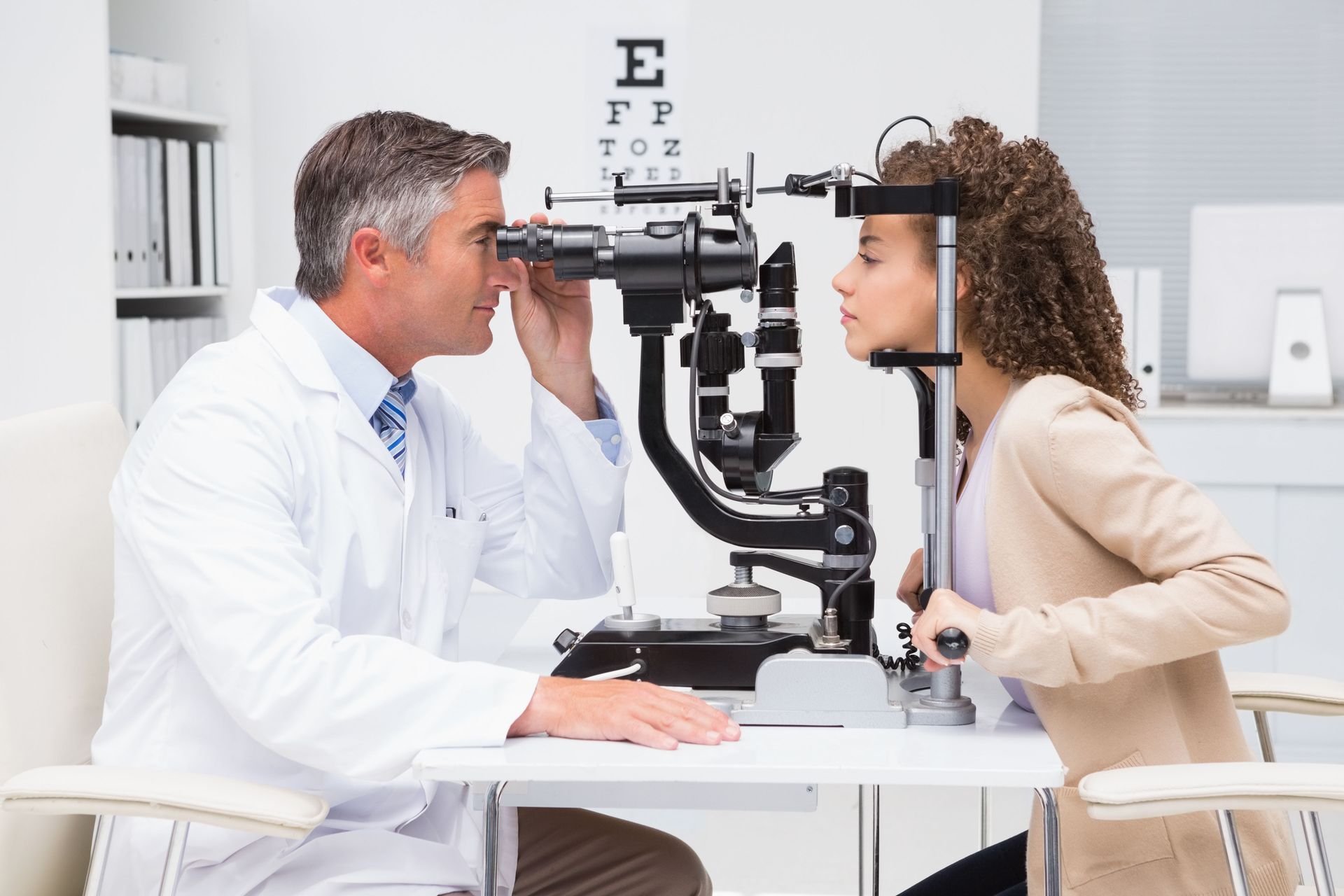
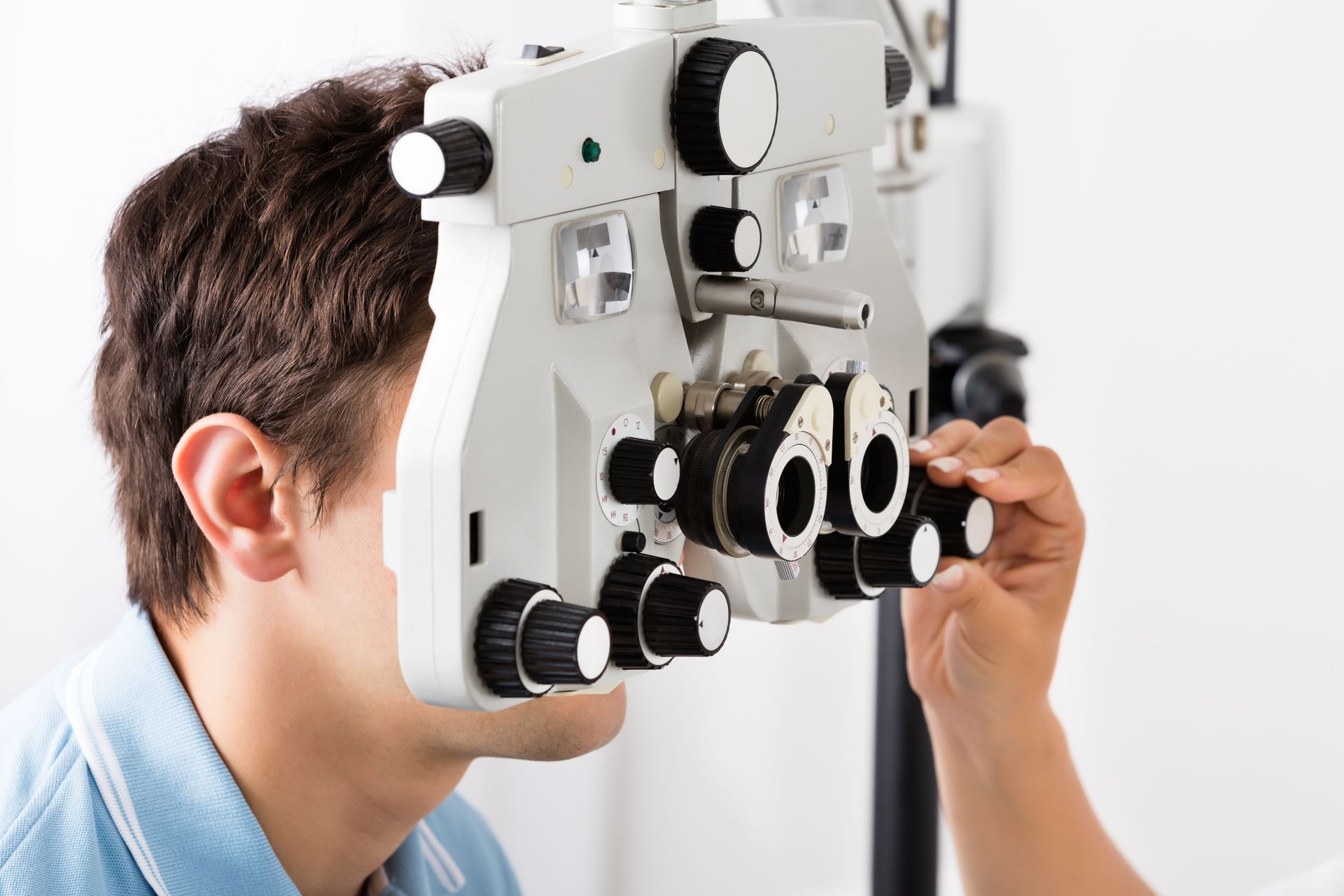
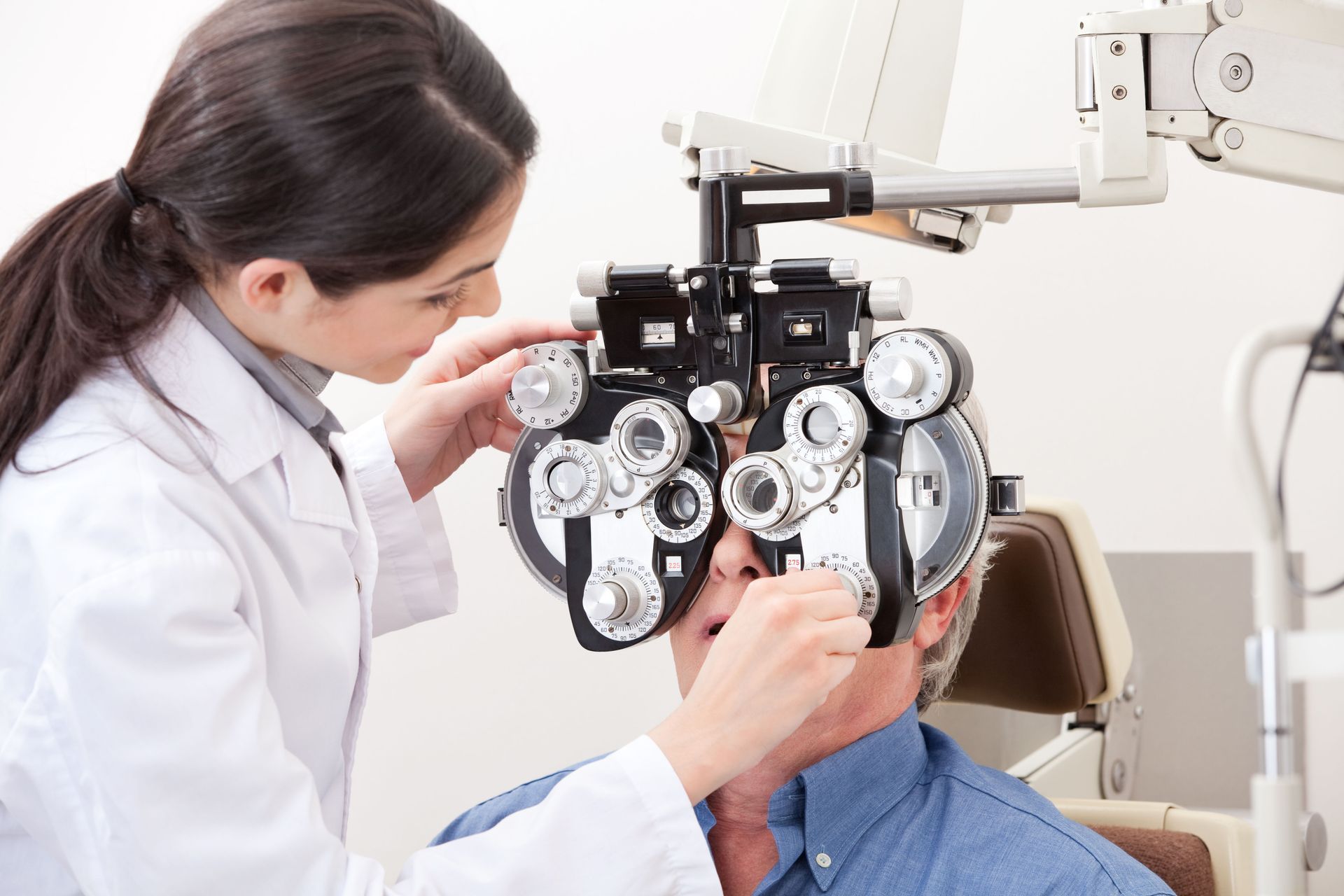
Once the trial pair has properly settled, the professional will evaluate how the lenses behave when you blink and look in different directions. Attentive eye doctors utilize a high-powered slit lamp microscope to inspect the alignment, movement, and centration of the plastic discs. If a lens moves too much, it can cause inconsistent vision; if it does not move enough, it can restrict oxygen flow to the cornea. After confirming a safe physical fit, you will perform a standard visual acuity test to verify your distance and reading sharpness. Small adjustments to the power of the prescription are frequently made during this live assessment to optimize your sight. This careful fine-tuning guarantees that your final prescription provides crisp, reliable vision across all distances.
Mastering Insertion and Removal Techniques
Before you are allowed to take your new lenses home, you must demonstrate that you can insert and remove them safely. Dedicated eye doctors provide a controlled, hygienic environment where you can practice these handling techniques under expert supervision. A technician will coach you on how to hold your eyelids open, position your fingers correctly, and gently pinch the lens off the surface. Learning these physical coordination skills takes time, and patience is a core part of this instructional phase. You will also receive clear guidelines on how to handle the lenses without accidentally tearing them or introducing debris. Perfecting these basic habits ensures that you can manage your vision independently and confidently every day. This training minimizes frustration when you practice in front of your bathroom mirror at home.
Establishing Proper Cleaning Protocols
Unless you are utilizing single-use daily disposables, establishing a rigorous daily hygiene routine is vital for preventing ocular infections. Knowledgeable eye doctors will thoroughly explain how to rub and rinse your lenses using approved multi-purpose solutions. You will also learn about the importance of cleaning your storage case daily and replacing it regularly to prevent bacterial growth. Using tap water to rinse your lenses or case is strictly forbidden due to the risk of severe microbial contamination. Understanding these maintenance rules ensures that your eyes remain bright, healthy, and completely free of irritation. Developing clean habits protects your vision investment and ensures a safe wearing experience over the lifespan of your prescription. Proper care is just as important as the physical fit itself.
Undergoing your first contact lens fitting is an organized, empowering experience that opens the door to a world free from the physical boundaries of glasses. From mapping the unique topography of your corneas to mastering safe handling techniques, every single phase of the appointment serves to protect your visual wellness. Partnering with a dedicated professional ensures that your transition to contacts is safe, comfortable, and tailored directly to your biology. By taking a methodical approach to hygiene and scheduling your follow-up checkups, you can enjoy crisp, reliable vision for decades. Prioritizing your optical care pays off by delivering an effortless daily routine and a clear view of everything around you. For an exceptional, highly personalized fitting experience from eye doctors who put your health and comfort first, reach out to Jeffries Eye Care to book your upcoming appointment.




Share On: