
How Eye Doctors Ensure Contacts Fit Your Needs
Eye care plays an important role in helping people choose solutions to improve their vision that also match their daily comfort, lifestyle, and eye health needs. This article explains how eye doctors evaluate vision, measure eye shape, and guide contact lens selection to support proper fit and long-term comfort. Eye doctors follow a structured process to match contact lenses to each person's unique eye condition and visual requirements. This includes assessing prescription needs, tear film quality, and eye shape to reduce discomfort and improve your overall wearing experience.
Assessing Vision Needs and Eye Health
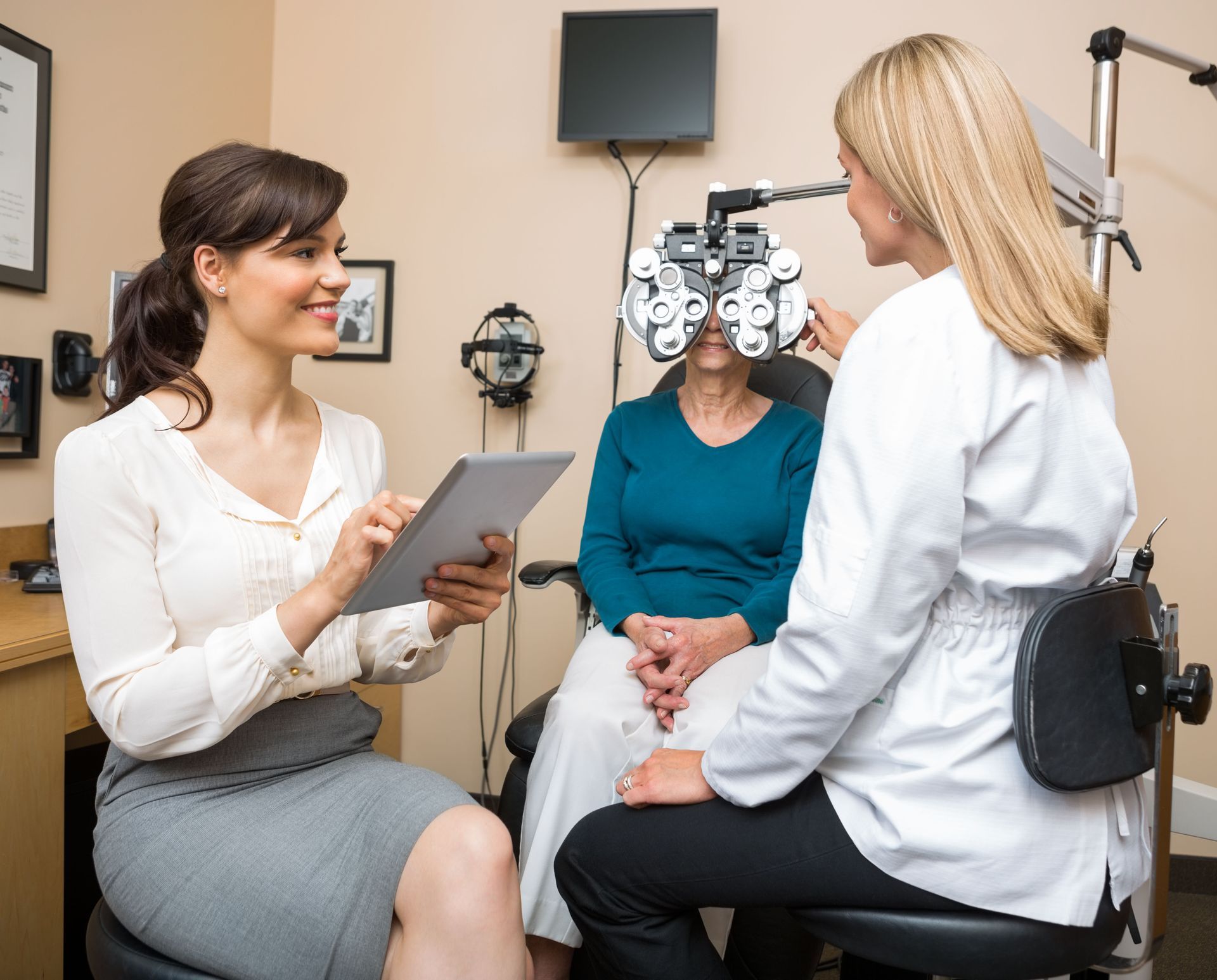
The first step eye doctors take is to understand your overall vision needs and eye health status. This includes checking how clearly each eye sees at different distances and identifying any conditions that may affect contact lens use. These early evaluations help form a baseline for selecting suitable options while also helping identify factors that may influence long-term comfort and overall lens performance. Eye health checks also focus on surface condition, sensitivity, and tear production. Some eyes may require additional attention due to dryness, allergies, environmental exposure, or changes related to age. Eye doctors use these findings to guide decisions that support both comfort and clarity during daily wear while helping determine whether contact lenses are an appropriate choice.
According to a survey conducted by Science Direct, of 1,540 people who require contact lenses, only 50.8% actually wear them. This shows that even among individuals who need vision correction, just over half consistently use contact lenses. In many cases, comfort and fit play a major role in whether people continue wearing them. A careful evaluation can help identify concerns that may affect daily wear and lead to more suitable recommendations. Eye doctors help address these challenges by focusing on proper evaluation before selection and by monitoring how the eyes respond over time.
Measuring Eye Shape and Fit Requirements
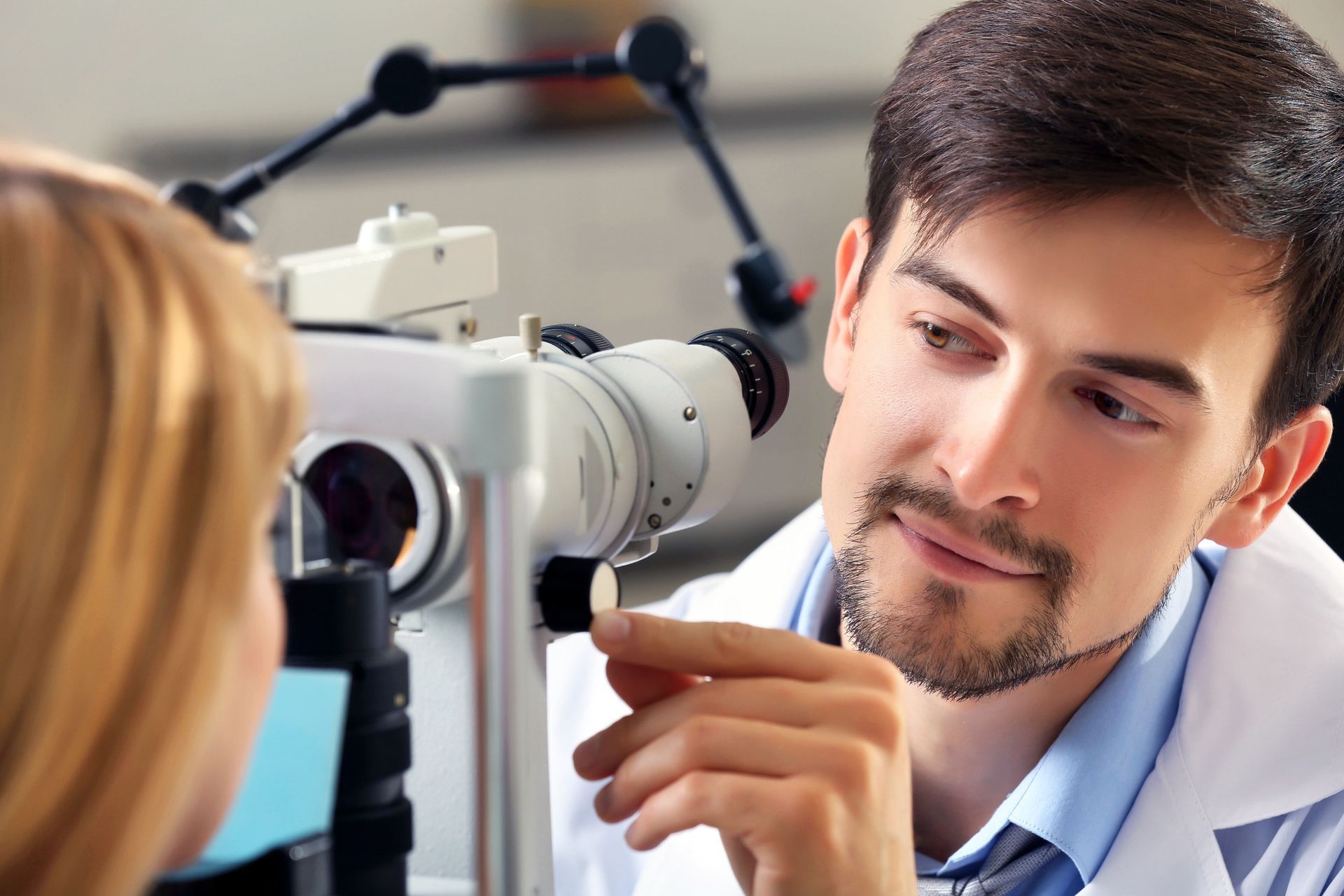
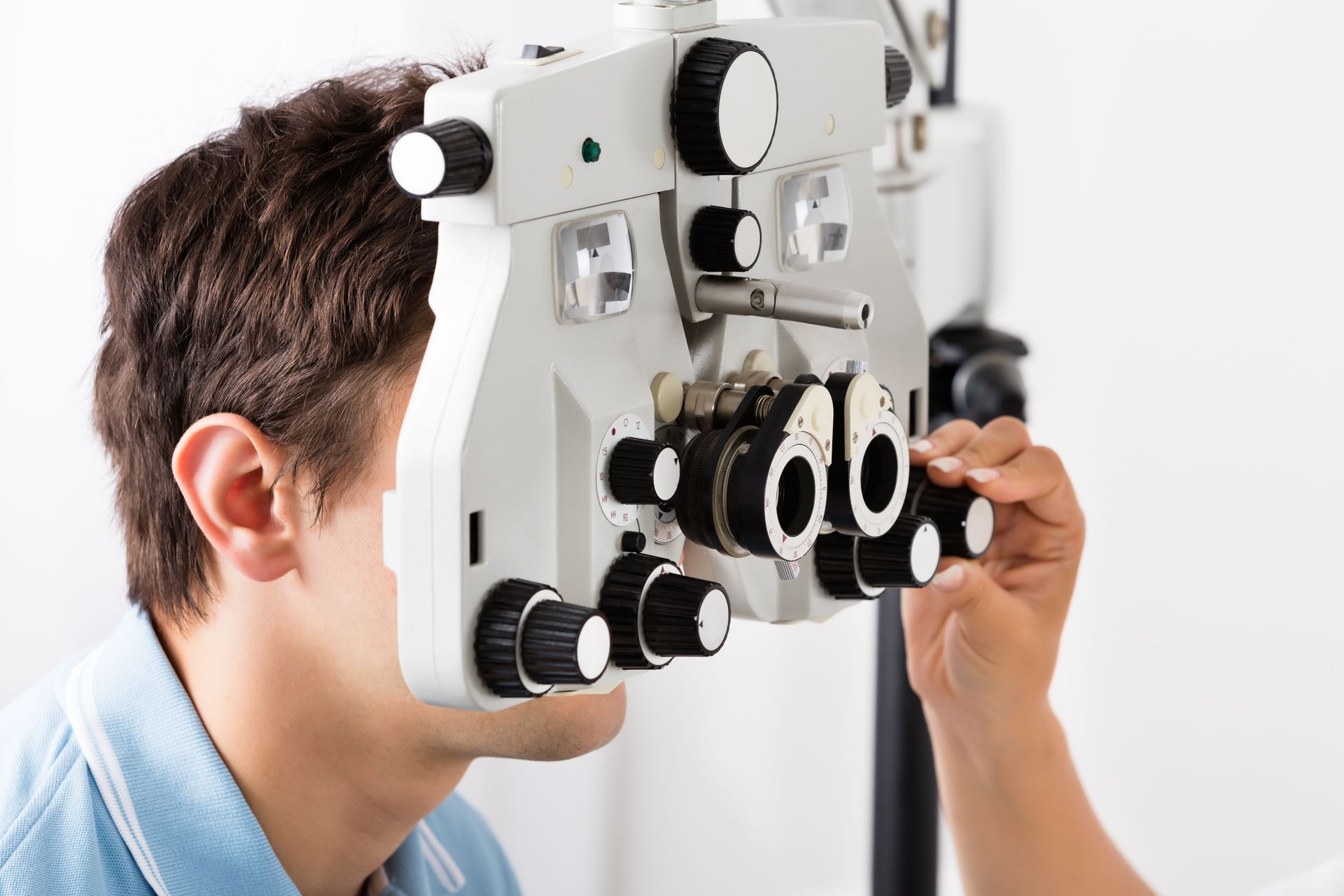
Every eye has a slightly different shape, which affects how contact lenses sit and perform. Eye doctors take precise measurements to understand curvature, diameter, and surface characteristics. These details help determine how a lens will interact with the eye during daily use. Fit is especially important because even small mismatches can lead to discomfort or unstable vision. Eye doctors use measurement tools to evaluate how lenses align with the eye surface and move during blinking. This process helps identify options that support stable and comfortable wear. Tear film quality is also part of this evaluation. A healthy tear layer helps keep lenses hydrated and comfortable. Eye doctors consider this factor when determining which types of lenses may work best for different individuals.
Evaluating Lifestyle and Daily Use Patterns
Lifestyle plays a major role in contact lens selection. Eye doctors often ask about daily routines, work environments, screen time, and outdoor activity levels. These details help shape recommendations that align with real-world usage. Someone who spends long hours on screens may have different needs than someone who spends time outdoors or in dry environments. Eye doctors take these differences into account when guiding choices to improve comfort throughout the day. Physical activity levels are also considered. Movement, dust exposure, and environmental changes can all affect lens performance. Eye doctors use this information to help match lens characteristics with daily habits.
Reviewing Comfort and Sensitivity Factors
Comfort is one of the most important parts of wearing contact lenses. Eye doctors evaluate how sensitive the eyes are to dryness, light, and environmental changes. This helps identify potential challenges before lenses are selected. Some individuals naturally produce fewer tears, which can affect comfort during extended wear. Eye doctors consider this when discussing suitable options that support moisture balance and reduce irritation risks. Allergy sensitivity is another factor. Seasonal changes or environmental triggers can influence eye comfort. Eye doctors use these insights to guide selection and reduce the likelihood of discomfort during different times of the year.
Supporting Proper Fit of Lens
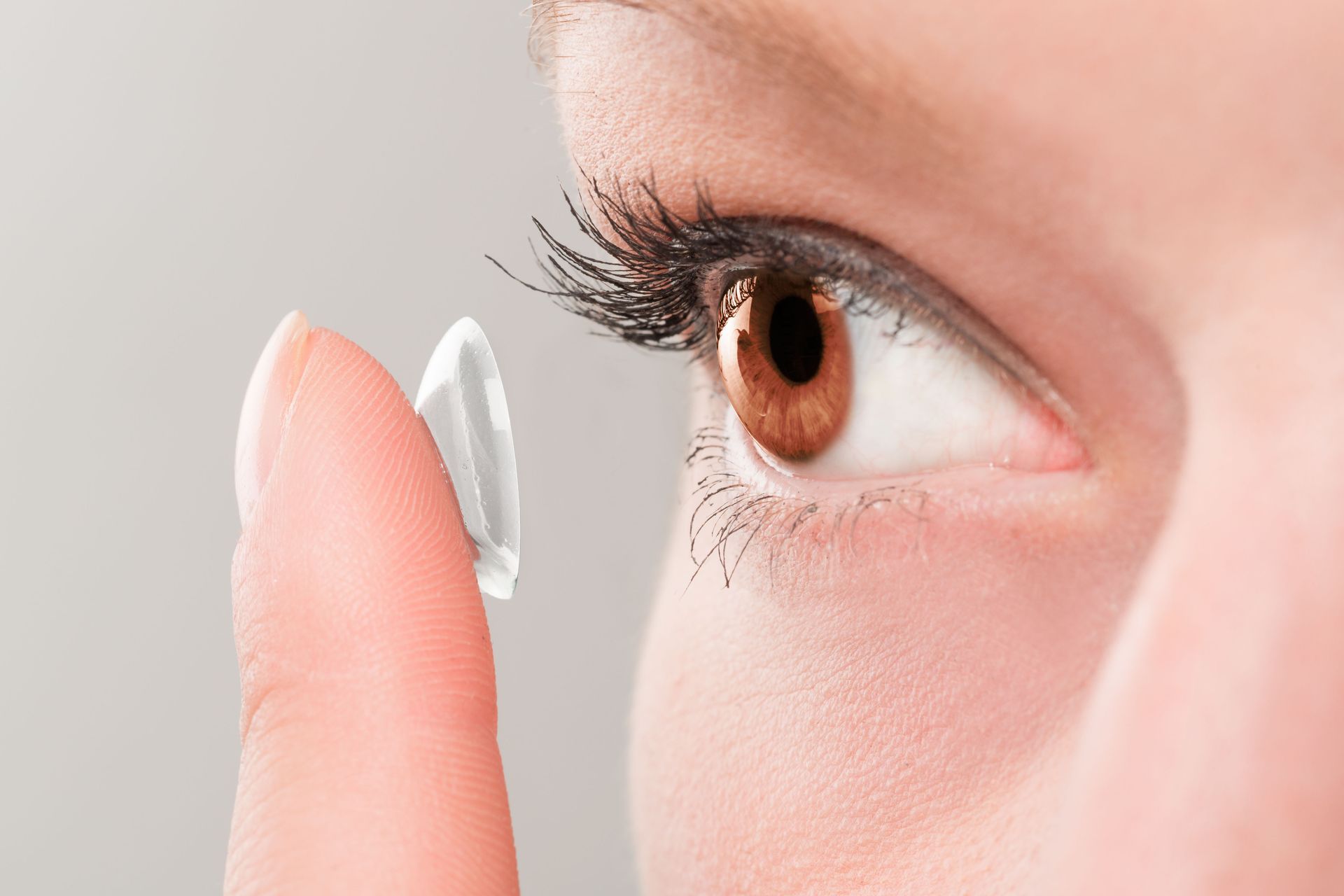
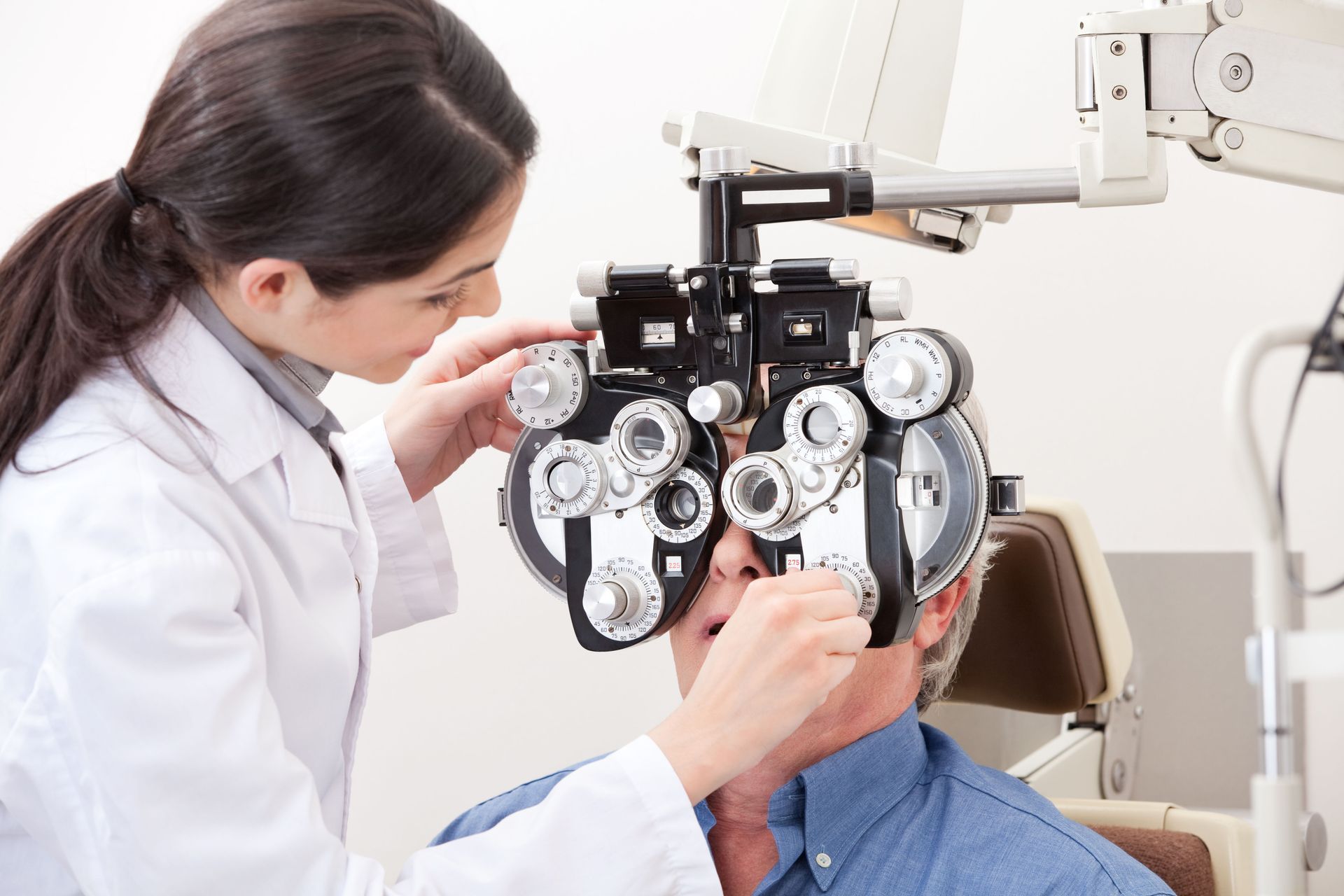
Once measurements and evaluations are complete, eye doctors often review how lenses interact with the eye in real time. This includes checking movement, positioning, and clarity during normal blinking patterns. Proper fit is important for maintaining stable vision throughout the day. Eye doctors observe how lenses respond to natural eye movement and make adjustments if needed to improve comfort and alignment. This testing stage helps confirm whether the selected lens type works well for the individual. Eye doctors may refine recommendations based on how the eye responds during this phase to improve the overall experience.
Addressing Adjustment Periods
Adapting to contact lenses can take time for some individuals. Eye doctors help guide this adjustment by explaining what to expect during the early stages of wear. This includes mild changes in sensation as the eyes adapt. During this period, small adjustments may be needed to improve comfort or clarity. Eye doctors monitor these changes and make updates based on feedback and observed performance. Consistency is important during adaptation. Eye doctors often encourage steady use during the adjustment phase so the eyes can become accustomed to the lenses over time. This helps improve long-term comfort and usability.
Considering Eye Health Over Time
Long-term eye health is an important part of contact lens use. Eye doctors evaluate how lenses interact with the eyes over extended periods and look for signs of dryness, irritation, or strain. Regular checkups help maintain eye health and allow for adjustments when needed. Eye doctors monitor changes in vision and eye conditions to ensure that lens use continues to support overall comfort. Environmental changes, aging, and lifestyle shifts can all affect eye health over time. Eye doctors take these factors into account when reviewing the ongoing suitability of contact lens use.
Guiding Selection Through Professional Evaluation
Choosing contacts involves more than selecting a prescription. Eye doctors combine measurements, lifestyle factors, and comfort assessments to guide the selection process. This structured evaluation helps reduce issues related to poor fit or discomfort while supporting clearer and more stable vision. Professional evaluation also helps reduce trial and error by using clinical findings to narrow suitable options and identify lenses that better match each person's visual needs, eye health, and daily routine. This individualized approach also allows eye doctors to consider factors that may affect long-term comfort and overall lens performance.
Supporting Long-Term Comfort and Fit
Long-term comfort depends on how well lenses continue to match eye conditions over time. Eye doctors monitor changes in vision, eye surface health, and daily comfort to maintain an appropriate fit. Small changes in vision or eye sensitivity can affect lens performance, making regular follow-up visits an important part of continued care. Ongoing assessments help identify changes early and support comfortable lens wear over the long term. These visits also provide an opportunity to review any changes in daily activities or visual demands that could influence lens selection.
Eye doctors play a key role in helping contact lenses match both vision needs and daily comfort through careful evaluation, measurement, and ongoing monitoring. Their approach supports better fit, improved usability, and long-term eye health while allowing adjustments as vision or eye conditions change. Regular evaluations help maintain consistent comfort and visual clarity as individual needs evolve over time. For those considering contact lenses, contact Jeffries Eye Care today to schedule an appointment with experienced eye doctors who can help find a comfortable and well-matched vision solution.




Share On: